3rd Ave Locksmith Corp Service Team
Local locksmith team
May 4, 2026 10 min read
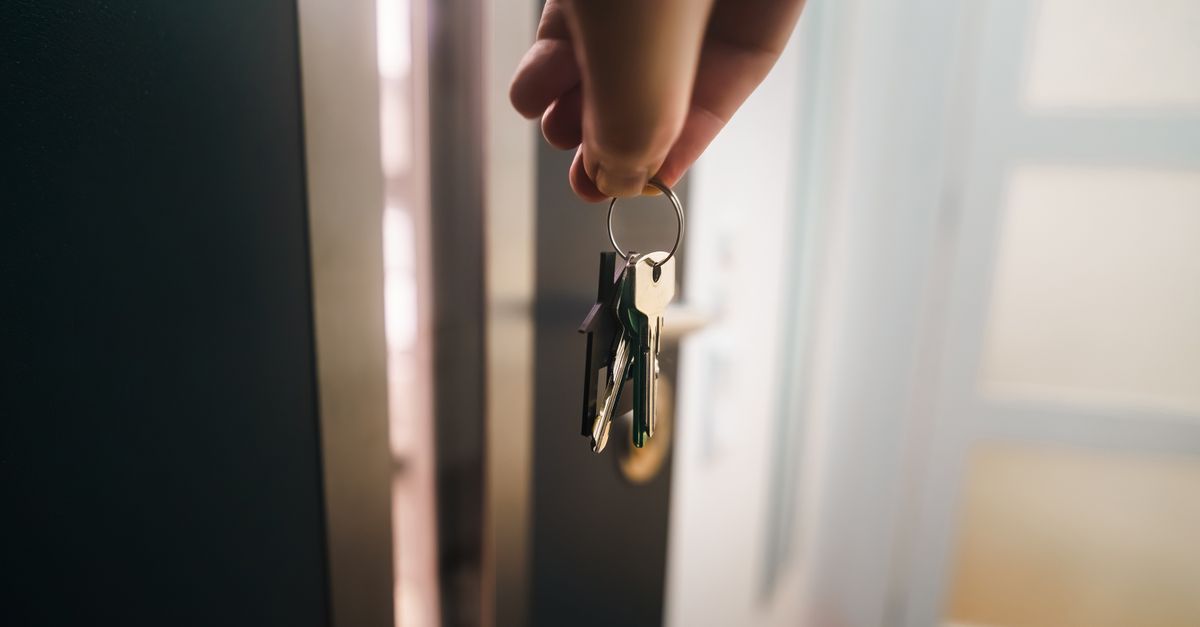
If you've just moved into a co-op on the Upper West Side or a condo near Sutton Place and you want to swap out the locks, you might be surprised to discover that changing a lock in New York City isn't always as straightforward as calling a locksmith and handing over your keys. Co-op and condo boards operate under their own house rules — and those rules almost always have something to say about who can touch the hardware on your unit door.
Before you schedule a lock change service or ask a locksmith to rekey a lock, it pays to understand exactly what your board expects from you. Miss a step, and you could face fines, be required to restore the original hardware at your own expense, or — worst case — find yourself locked in a dispute with your building's management. This guide walks you through the documentation, approval processes, and practical considerations that NYC co-op and condo residents typically encounter when they want to update their door security.
## Why NYC Boards Care So Much About a Lock Change on Your Door
In a co-op, you don't technically own your apartment outright — you own shares in a corporation, and the proprietary lease governs almost everything about how you occupy your unit. That lease almost universally gives the board authority over alterations, and replacing a mortise lock or door knob lock on your entry door qualifies as an alteration in the eyes of most buildings. Condo boards have slightly less legal reach than co-op boards, but the vast majority of condo bylaws include similar language about security hardware. The logic is straightforward: the building's managing agent, superintendent, and sometimes the fire department need reliable key access in emergencies, and a lock change that eliminates their master-key access creates a real liability.
This isn't just bureaucratic red tape. Buildings along Third Avenue, in Midtown, and throughout all five boroughs have dealt with real situations — water leaks, fires, medical emergencies — where emergency access through a unit door was critical. Boards write these rules to protect the entire community, not just to inconvenience individual owners.
## Step One: Read Your Proprietary Lease or Condo Bylaws Before You Rekey a Lock
The single most important first step is pulling out your proprietary lease (for co-ops) or your condo's bylaws and house rules and reading the section on alterations, security, and key access. Look specifically for language about: (1) whether any lock change requires prior written board or managing agent approval; (2) whether the building maintains a master-key system that your new lock must be compatible with; (3) whether you are required to provide a duplicate key to the superintendent or managing agent; and (4) which types of locks — deadbolt, mortise lock, door knob lock, or high-security cylinder — are permitted on the entry door.
Some buildings specify the exact hardware they allow. A prewar building on the Upper East Side, for instance, may require a specific mortise lock body because the door thickness and backset dimensions only accommodate that style. If your lease references an approved hardware list, get that list from management before you contact a locksmith — it will save you time and potential reinstallation costs down the line. If the bylaws are ambiguous, send a written inquiry to the managing agent and keep a copy of their response.
## ## The Approval Process: Documentation Your Board Will Likely Require
Once you've confirmed that board approval is needed — and in most NYC co-ops, it is — you'll typically need to submit a written alteration request. The specific documents vary by building, but expect to provide some combination of the following: a description of the proposed lock change (including brand, model, and whether it's a mortise lock, deadbolt, or cylinder replacement); a statement confirming that the superintendent or managing agent will receive a copy of the new key; proof that you'll use a qualified, insured locksmith; and sometimes a Certificate of Insurance from your locksmith showing that the work is covered.
Some larger buildings and full-service co-ops along Park Avenue or in Battery Park City also require you to schedule the work during specific hours — typically weekday business hours — so the super can be present and verify the installation. If your building has a doorman or concierge, they may also need to be notified. Rushing this step or skipping the written approval in favor of a verbal 'sure, go ahead' from the super is one of the most common mistakes residents make. Get everything in writing, and keep a copy of the board's approval before any work begins.
Once you have written approval in hand, this is also a great time to call 3rd Ave Locksmith Corp at (646) 793-4482. Our team can walk you through hardware options that meet typical NYC building requirements, advise on mortise lock compatibility for older door frames, and confirm exactly what documentation we can provide on our end — including proof of insurance — before the job starts.
## Mortise Lock Compatibility, Master Keys, and What Your Locksmith Needs to Know
Many NYC residential buildings — particularly prewar co-ops in neighborhoods like Riverside Drive, Carnegie Hill, or Jackson Heights — use a building-wide master-key system built around a specific mortise lock platform. If your building uses such a system, you cannot simply swap in any lock you find at a hardware store. The new cylinder must be keyed to fit within the building's master-key hierarchy, meaning it needs to be cut by a locksmith who understands how to rekey a lock within that system without compromising the master key.
This is exactly the kind of job where working with an experienced locksmith matters. A skilled locksmith will assess your existing mortise lock body, determine whether the cylinder can be rekeyed to a new individual key while retaining master-key compatibility, and advise whether the lock body itself needs replacement or just a cylinder upgrade. If your door has a high-security cylinder — such as a Medeco or a Schlage Everest — the rekeying process requires specialized pinning kits and should never be attempted without the right training. When you call us, we'll ask the right questions upfront so we arrive with the correct parts for your specific door.
## What Happens If You Skip the Approval — and When to Call an Emergency Locksmith
Skipping the board approval process and proceeding with an unauthorized lock change can have real consequences. Beyond fines, your board may require you to restore the original lock at your expense, and in some co-ops, repeated alteration violations can be cited during subletting or sale reviews — a significant issue when you're trying to close a deal in a competitive NYC market. The short version: don't skip the paperwork.
That said, there are genuine emergency situations where you may need to change a lock immediately — a break-in, a lost key with no way to verify the missing key hasn't been copied, or a domestic situation where safety is the concern. In those cases, contact your managing agent or super right away to notify them, document the emergency in writing, and call an emergency locksmith who can respond quickly and help you navigate the process correctly. Our team at 3rd Ave Locksmith Corp is available around the clock — a true 24/7 mobile service covering all of New York City. Whether you're in the Bronx at 2 a.m. or in Staten Island on a Sunday morning, we can dispatch a skilled locksmith to your door. Call us at (646) 793-4482 any time.
One important note on lockout scenarios: if you're locked out and considering how to pick a lock or bypass your door knob lock on your own, resist that impulse. Improper attempts to manipulate a mortise lock or door knob lock can damage the cylinder, the door frame, and the lock body itself — turning a minor inconvenience into a costly repair. The right move is always to check for a spare key with a trusted neighbor or doorman first, then call a professional if no spare is available.
## Our Services: What 3rd Ave Locksmith Corp Handles for NYC Residents and Buildings
We handle a wide range of locksmith needs across New York City, including: residential mortise lock installation and rekeying; door knob lock replacement; deadbolt installation; high-security cylinder upgrades (Medeco, Schlage, Kwikset); master-key system setup for residential buildings; co-op and condo lock change service with board-compliant documentation; emergency locksmith response for residential lockouts; commercial locksmith services for offices, retail spaces, and multi-unit buildings; access control system installation; mailbox lock replacement; push-bar and panic hardware installation; garage door lock service; padlock and hasps installation; intercom and buzzer lock integration; safe opening and combination changes; automotive locksmith services including car lockout response; transponder key programming; broken key extraction from cylinders; door frame and strike plate reinforcement; lock rekey service after a move-in or tenant change; peephole installation; window lock installation; sliding door lock repair; chain lock and surface bolt installation; and 24-hour emergency commercial locksmith response for businesses experiencing a break-in or security compromise.
Every job begins with an on-site assessment and a confirmed upfront price — no surprises after the work is done. The factors that go into your quote include the type of lock or hardware involved (a mortise lock installation, for example, involves more labor than a simple cylinder rekey), the time of day the service is requested, travel distance to your location, and any specialty parts required. We confirm the exact price before we touch anything.
Frequently asked questions
How do you rekey a lock in an NYC co-op without violating board rules?+
Start by reviewing your proprietary lease for alteration clauses, then submit a written request to your managing agent describing the proposed work. Once you have written approval, hire an insured locksmith who understands master-key systems. The locksmith will rekey the lock — replacing the internal pins in the cylinder so only new keys work — while maintaining compatibility with the building's master key if required. Always provide the super or managing agent with a copy of the new key as your lease likely requires.
How much does an NYC locksmith cost, and what factors affect the price?+
There's no single flat rate for locksmith services in New York City. The final price depends on several variables: the type of lock being serviced (a mortise lock job is more involved than a basic door knob lock rekey), the time of day (nights, weekends, and holidays typically carry different rates), travel distance to your location, and whether specialty parts — like a high-security cylinder — are needed. At 3rd Ave Locksmith Corp, we confirm an exact upfront price before any work begins, so you always know what you're paying before we start.
Does New York require a locksmith license, and why does it matter for co-op approval?+
Yes — New York City requires locksmiths to hold a license issued by the NYC Department of Consumer and Worker Protection. When submitting your alteration request to a co-op board, some buildings specifically ask for confirmation that the locksmith you're hiring meets local licensing and insurance requirements. Working with a qualified, insured locksmith protects you from board disputes and ensures the work is done correctly. When you call 3rd Ave Locksmith Corp, we can provide the documentation your building needs.
What is a typical call-out fee for an emergency locksmith in NYC?+
Emergency locksmith pricing in New York City varies based on factors like the time of your call, your location within the five boroughs, the complexity of your lock (a mortise lock on a prewar door requires different tools and expertise than a standard deadbolt), and the parts required for the job. Rather than quoting a generic range, we assess your specific situation and give you a confirmed price upfront — before any work begins. To get an accurate answer for your exact scenario, call us at (646) 793-4482 any time, day or night.