3rd Ave Locksmith Corp Service Team
Local locksmith team
Sep 4, 2026 9 min read
It happens faster than you'd think — you step out to grab the mail on a Tuesday morning, the door clicks shut behind you, and you realize your keys are sitting on the kitchen counter. If you're locked out of your house in New York City, the next few minutes can feel surprisingly stressful, especially when you have no spare key and no obvious next move. The good news: you have real options, and knowing them in advance makes the whole situation much less overwhelming.
This guide walks you through exactly what to do when locked out of house — from the first calm checks you should make to what a professional locksmith visit actually looks like from start to finish. Whether you're in a Brooklyn brownstone, a Queens garden apartment, or a Manhattan high-rise off 3rd Ave, the steps are the same, and help is closer than you think.
## What to Do First When Locked Out of House (Before You Call Anyone)
Before reaching for your phone, take two minutes to work through the obvious possibilities — not because a locksmith can't help, but because a quick check can save you time. Try every door and window on the ground floor, including the back door if your building has one. If you live in a walk-up or a house with a basement entrance, check those too. In older NYC rowhouses and prewar buildings, side entrances that feel like they're never used are sometimes left unlocked. It's also worth checking whether a trusted neighbor, a building super, or a family member holds a spare key — in a city this dense, that's more common than people remember in the moment.
If none of those options pan out, stop there. Do not attempt to force a window, slide a card through a door frame, or try anything that could damage your lock or door — and more importantly, anything that could look suspicious to a neighbor or passerby. In New York, attempting to enter your own home without a key can draw attention quickly, and on a busy block near Midtown or along a residential strip in Astoria, someone will notice. The right call at this point is a professional emergency locksmith who can verify your identity, open the door without damage, and get you back inside safely.
## Can Police Help If Locked Out of House?
This is one of the most common questions people ask, and the honest answer is: probably not, and definitely not in the way you're hoping. NYPD officers are not equipped or authorized to open residential locks, and they won't call a locksmith on your behalf. In genuine emergencies — if a child or pet is trapped inside, or there's a medical situation — officers may be able to assist or escalate, but for a standard lockout, the police will typically tell you to contact a locksmith yourself.
What the police can do in a lockout situation is document that you're the resident if there's any question — for instance, if a neighbor calls to report someone trying to get into a building. Carrying your ID with your home address on it is genuinely helpful in those situations. A professional locksmith will also ask you to verify ownership or residency before beginning any work, which is standard practice and a sign that the technician is operating correctly. If someone offers to open your door with no questions asked, that's actually a red flag, not a selling point.
## Calling an Emergency Locksmith NYC: What the Visit Actually Looks Like
When you call 3rd Ave Locksmith Corp, you'll speak with a real person — not a recording — who will ask for your address, the type of lock or door you're dealing with, and a brief description of the situation. This isn't bureaucracy; it helps the technician arrive with the right tools and give you an accurate up-front price before any work begins. The factors that shape your quote include the type of lock on your door (a standard door knob lock is different from a mortise lock), the time of day, travel distance, and whether any parts or hardware need to be replaced. You'll know the exact cost before the technician touches anything — no surprises at the end.
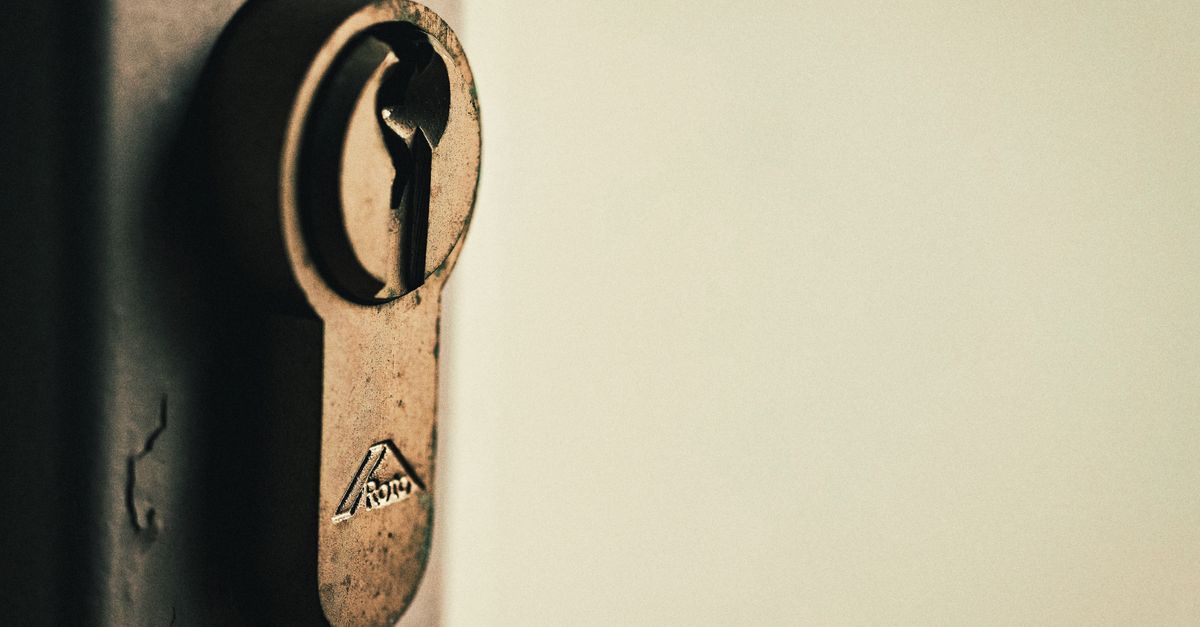
Once on site, the technician will confirm your identity, assess the lock, and use professional non-destructive methods to open the door. For most residential lockouts — whether it's a cylinder lock, a deadbolt, or a mortise lock — an experienced technician can open the door without damaging the lock or the door frame, meaning you don't automatically need to replace anything. A mortise lock, which is common in older NYC apartment buildings and brownstones, requires specific expertise because of its internal mechanism; our team works with mortise locks regularly and comes prepared. After the door is open, the technician will also check that the lock is functioning correctly and let you know if anything needs attention. If you need a spare key cut or a lock rekeyed on the spot, that can often be handled during the same visit. Need help right now? Call us at (646) 793-4482 — we answer every call, day or night.
## Mortise Lock, Door Knob Lock, or Deadbolt — Does the Lock Type Matter?
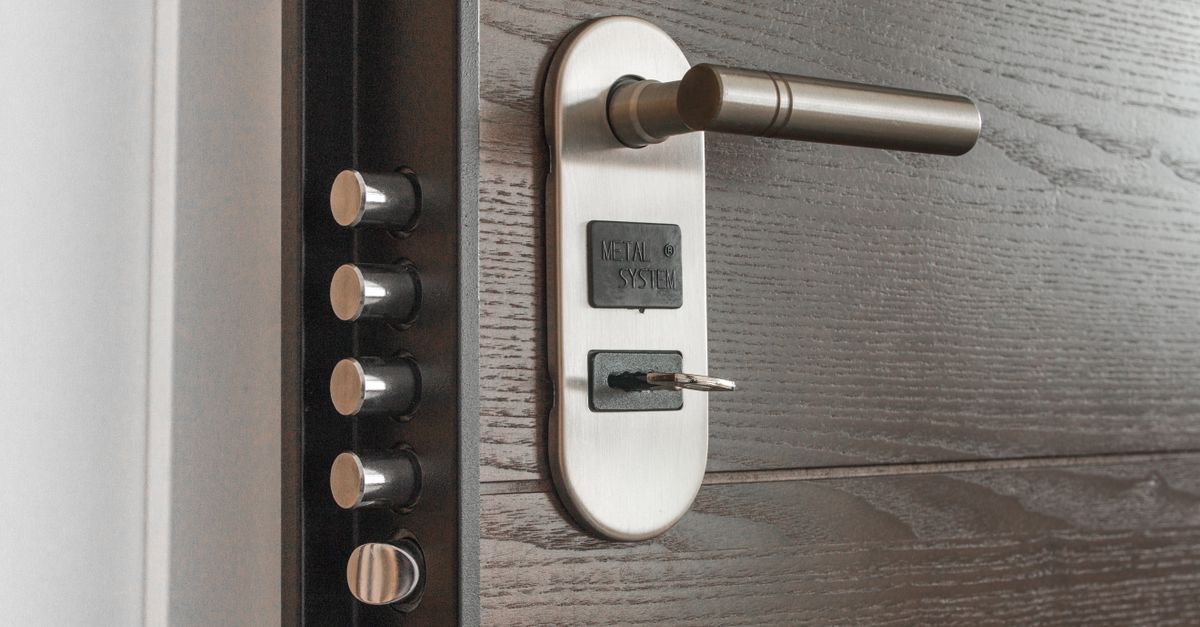
Yes, it matters quite a bit — both for how a locksmith approaches the job and for your long-term security. New York City's housing stock is old, and that means a huge variety of lock hardware is in use across the five boroughs. Prewar buildings throughout the Upper West Side, Park Slope, and Ridgewood frequently have mortise locks — a recessed, multi-component lock set built into the door itself, rather than mounted on the surface. Mortise locks are durable and offer strong security, but they require a skilled hand to open without damage and specific knowledge to rekey or replace. A basic door knob lock or a modern deadbolt operates differently and may require different tools entirely.
Understanding what's on your door before you call can help the technician arrive fully prepared, but don't worry if you're not sure — describing the door (steel vs. wood, single vs. double, handle style) gives us enough to work with. Beyond lockouts, knowing your lock type matters when you're thinking about upgrades. If you're replacing an old mortise lock or adding a secondary deadbolt after a lockout, our team can walk you through options from trusted hardware brands and help you choose something that fits your door, your building's requirements, and your security goals.
## How to Avoid Getting Locked Out Again (Practical NYC-Specific Tips)
The best lockout is the one that doesn't happen twice. The most practical thing any New York homeowner or renter can do is establish a spare key with someone trustworthy — a neighbor on the same floor, a family member in the borough, or a building super if your lease permits it. In a city where most people live within a few blocks of someone they know, this is more feasible than it sounds. If your building has a super and your lease allows it, many supers will hold a spare in a secure lockbox for exactly this kind of situation.
Beyond spare keys, consider rekeying your locks if you've recently moved — it's one of the most overlooked steps in any NYC apartment move, and it ensures that previous tenants, contractors, or anyone who had a copy no longer has access. If you want a higher level of convenience and security, a smart lock with a keypad or app-based entry eliminates the physical key problem entirely. Our team can install, rekey, and service a wide range of residential and commercial lock hardware, from mortise lock systems to modern smart locks. And if you ever find yourself locked out of the house again, you'll already have our number: (646) 793-4482, available 24 hours a day, 7 days a week, including weekends and holidays.
Frequently asked questions
How much does an NYC locksmith cost, and what affects my price?+
There is no single flat rate for locksmith services in New York City because several variables shape the final cost. The type of lock on your door matters significantly — opening a standard door knob lock is a different job from working on a mortise lock or a high-security deadbolt. The time of day plays a role as well, since after-hours and overnight calls involve additional considerations. Travel distance and whether any parts or hardware need to be supplied on the spot will also factor in. What we can tell you is that 3rd Ave Locksmith Corp confirms an exact up-front price before any work begins, so you are never looking at a bill that differs from what you agreed to. Call (646) 793-4482 and we will give you a clear quote based on your specific situation.
Does NY require a locksmith license, and how do I know the technician is legitimate?+
New York State does not require a specific statewide locksmith license in the way some other trades are regulated, but reputable locksmiths operate within general business and consumer protection laws and carry insurance. When vetting any locksmith, the most important indicators of legitimacy are: they ask to verify your identity or residency before opening any lock, they provide a written or clearly stated quote before starting work, they arrive in a marked vehicle and carry identification, and they have a verifiable local business address and phone number. Our team at 3rd Ave Locksmith Corp is insured and trained to handle a full range of residential and commercial lock services. If anything about a technician's conduct feels off, trust that instinct — a professional has nothing to hide.
What is a typical call-out fee for a locksmith, and is there a charge just to show up?+
Many locksmith services include a trip or call-out component in their overall quote, which covers the cost of dispatching a technician to your location. How that is structured — whether it is a separate line item or rolled into the service price — varies. What matters most is that you understand the total cost before work begins, not how the bill is itemized. When you call 3rd Ave Locksmith Corp, we will ask about your location, your lock type, and the nature of the job, and provide you with a confirmed price up front. There are no hidden fees added after the door is open.
How long does it take for an emergency locksmith to arrive in New York City?+
Arrival times depend on where you are and when you call, but our team serves all five boroughs and operates 24 hours a day, every day of the year. In most cases, especially in denser areas of Manhattan, Brooklyn, and Queens, a technician can be on site within a reasonable timeframe after your call. Traffic is always a factor in NYC — a 10-block trip at 2 PM on a weekday is a different experience than the same trip at 2 AM. When you call (646) 793-4482, we will give you a realistic arrival estimate based on current conditions, not a guaranteed window we cannot actually meet.