3rd Ave Locksmith Corp Service Team
Local locksmith team
Jun 1, 2026 12 min read
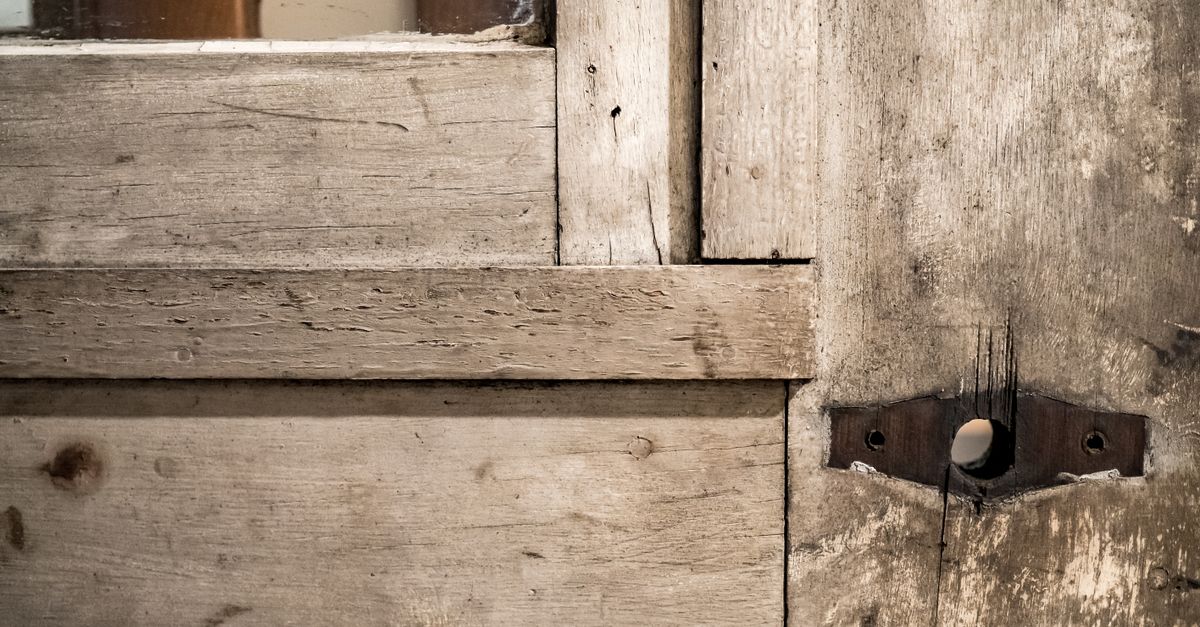
If you live in a classic New York brownstone — the kind lining the blocks of Harlem, the Upper West Side, Carroll Gardens, or Park Slope — you already know that almost everything inside is a little different from modern construction. The doors are heavier, the ceilings are taller, and buried inside the edge of your front door is likely a mortise lock that has been quietly doing its job for decades, possibly since before your grandparents were born. When that hardware finally starts to fail — a sticky bolt, a worn cylinder, a lever that spins without catching — replacing it is not as simple as a quick trip to the hardware store.
This guide walks you through exactly what to expect when swapping out vintage mortise lock hardware in an older New York brownstone: why the job is different from a standard lock installation, what decisions you'll need to make about new hardware, when a smart lock upgrade is actually possible, and how a professional locksmith navigates the quirks that come with pre-war doors. Whether you're a first-time brownstone owner or a longtime resident finally addressing a lock that's been on the to-do list for years, here's what you need to know before work begins.
## What Is a Mortise Lock — and Why Brownstones Are Full of Them
A mortise lock is a lock mechanism that sits inside a precisely cut rectangular pocket — the mortise — carved into the body of the door itself. Unlike a cylindrical lock (the kind common in modern apartments, where a single bored hole holds a tubular latch), a mortise lock set is a self-contained steel case housing the latch, deadbolt, and sometimes a privacy button all in one unit. The assembly is then held in place by a faceplate flush with the door edge, with a separate mortise lock cylinder threaded into the front and a thumb turn on the interior side. It's a sophisticated, heavy-duty design — which is exactly why builders spec'd it into New York brownstones throughout the late 19th and early 20th centuries.
In pre-war construction, doors were typically solid wood, three to four inches thick, and mortise hardware was the standard of the era. Brands like Corbin Russwin mortise lock sets were workhorses of commercial and residential buildings across New York City — you'll still find their hardware operating in brownstones from the Bronx to Bay Ridge. The problem is that decades of use, paint layers, seasonal wood swelling, and deferred maintenance eventually wear these mechanisms down. When they go, the replacement process involves more than just swapping parts.
## The Real Complexity of Mortise Lock Replacement in Pre-War Doors
Here's where brownstone lock installation diverges from anything you'd handle in a new construction building. Pre-war doors were not built to any standardized modern spec. The mortise pocket itself — its depth, height, and width — was cut to match whatever hardware was available at the time of installation, and that hardware often used measurements that don't correspond to today's off-the-shelf products. A professional locksmith will measure the existing case dimensions before sourcing any replacement, because fitting a modern mortise lock set into a 100-year-old pocket frequently requires modifications to the door's mortise, the faceplate cutout, or both.
There's also the matter of backset — the distance from the door edge to the center of the cylinder hole. Modern backset standards differ from pre-war norms, and getting this wrong means the new cylinder won't align with the exterior escutcheon plate. On top of that, brownstone doors often have ornate original trim: period rose plates, forged lever handles, and decorative escutcheons that homeowners (rightly) want to preserve. A skilled locksmith can sometimes retain the original exterior hardware while replacing only the internal case and cylinder, but that calls for careful measurement and parts sourcing. This is not a job where guesswork saves time — it costs it. If you're facing a sudden failure, our team at 3rd Ave Locksmith Corp is available around the clock; call (646) 793-4482 and we'll assess the situation before any work begins.
## Choosing New Hardware: Modern Mortise Sets, Corbin Russwin, and the Smart Lock Question
Once you know the pocket dimensions you're working with, you have a few hardware directions to consider. For homeowners who want to preserve the character of the brownstone, a period-appropriate replacement mortise lock set — or a direct Corbin Russwin mortise lock equivalent — often makes the most sense. These heavy-duty sets are still manufactured, are built to commercial-grade standards, and will outlast most residents of the building. They accept standard mortise lock cylinders, which means re-keying or cylinder replacement down the road is straightforward.
The more interesting conversation is around smart lock installation. A number of modern smart locks are now built on a mortise body, meaning they can fit into an existing mortise pocket with the right adapter kit. These allow keypad entry, app control, and temporary access codes — genuinely useful for brownstone owners who manage rentals or have frequent service visitors. However, smart lock installation in a pre-war door adds layers of complexity: the door's thickness, the existing wiring (or lack thereof), battery placement inside a thick door edge, and whether the existing strike plate and frame can accommodate the new bolt throw. Our locksmiths evaluate all of these factors on-site before recommending a specific product, so you're not left with a smart lock that doesn't quite close properly on a door that shifts seasonally with the humidity.
## What the Door Lock Installation Process Actually Looks Like, Step by Step
When a professional locksmith arrives for a brownstone mortise lock replacement, the first thing they do is document the existing setup: photographs of the current faceplate, measurements of the mortise pocket, cylinder diameter, backset, and door thickness. If the door is a common pre-war size (1¾" or 2" thick), compatible replacement stock is often on the service vehicle. If the door is non-standard — not unusual in brownstones that have had previous renovation work — parts may need to be sourced before the full installation can be completed, and a temporary security solution can be put in place in the interim.
The removal of the old unit involves backing out the cylinder retaining screw, extracting the cylinder, removing the face screws holding the case, and carefully sliding the mortise body out of the pocket. At this stage, the locksmith inspects the pocket itself: wood rot, previous repairs with filler, or a misaligned pocket from a past installation can all affect how cleanly the new hardware seats. If the pocket needs adjustment, that work is done before the new case goes in — not after. The new mortise lock set is test-fitted with the door open, the bolt and latch throw are confirmed, the cylinder is keyed (or re-keyed to your existing key if you have a master key system in the building), and the door is tested multiple times through its full range of motion before the locksmith signs off. The entire process on a cooperative door typically takes one to three hours; older doors with surprises inside the pocket can take longer.
## How Much Does NYC Mortise Lock Work Cost — and What Factors Shape the Quote
One of the most common questions homeowners ask is: how much does an NYC locksmith cost for this kind of work? Or, more specifically: how much should an emergency locksmith cost if the hardware fails at an inconvenient hour? The honest answer is that mortise lock replacement pricing is determined by a combination of factors, and any locksmith who quotes you a flat figure before seeing the door is making an assumption that may not hold. The variables that shape the final number include the complexity of the existing mortise pocket, whether modifications to the door are required, the specific hardware you select (a basic replacement set versus a heavy-duty commercial-grade mortise lock or a smart lock with wireless capability), the time of day (after-hours emergency calls involve different logistics than scheduled daytime appointments), and travel distance to your location across New York City. What does an average call-out fee for a locksmith cover? Typically it accounts for the technician's travel, initial assessment, and the time to diagnose the situation — at 3rd Ave Locksmith Corp, we confirm an exact, up-front price before any work begins, so there are no surprises once the job is done. If your brownstone is on a block like West 122nd Street in Harlem or a townhouse row in Cobble Hill, our mobile team comes to you — no need to remove hardware and bring it somewhere. Call (646) 793-4482 any time, day or night, for a clear assessment and a straight answer on what your specific job will involve.
## 3rd Ave Locksmith Corp: Trained New York Locksmiths Who Know Pre-War Hardware
New York City brownstones are not just a construction type — they're a culture, a history, and often someone's most valuable asset. Our team at 3rd Ave Locksmith Corp has worked on pre-war doors across every borough, from the landmarked rowhouses of Bedford-Stuyvesant to the cast-iron-detail buildings of the West Village. We carry mortise lock sets, mortise lock cylinders, and escutcheon hardware on our mobile units because brownstone calls are a consistent part of what we do in this city — not an occasional novelty. Our locksmiths are experienced, insured professionals who approach older hardware with the patience it requires: measuring twice, cutting once, and sourcing the right part rather than forcing a close-enough fit into a door that deserves better.
We handle the full scope of residential and commercial lock work across New York City, including: mortise lock replacement and repair, mortise lock cylinder re-keying, smart lock installation and programming, door knob lock replacement, deadbolt installation, high-security lock upgrades, master key system setup, emergency lockout response (residential and commercial), car lockout service, broken key extraction, lock rekeying after a move or tenant change, mailbox lock replacement, gate lock installation, intercom-to-lock wiring assessment, padlock replacement, storefront lock installation, commercial locksmith services for offices and retail, garage door lock service, window lock installation, patio door lock replacement, panic bar installation, door closer installation, frame repair after forced entry, lock boxing for rental turnover, safe opening and combination reset, and multi-point lock system service for modern steel doors. Whether the need is urgent or planned, our mobile team covers New York City 24 hours a day, 7 days a week.
## Does NY Require a Locksmith License — and Why It Matters for Your Brownstone
A practical question that comes up frequently: does NY require a locksmith license? New York State does not currently have a statewide locksmith licensing requirement in the same way some other states do, but New York City has its own regulations governing locksmith businesses operating within the five boroughs, including registration requirements designed to protect consumers. What this means for you as a homeowner is that working with an established, insured locksmith business — one with a verifiable local presence and a track record in the city — matters more than a license certificate on the wall. At 3rd Ave Locksmith Corp, our technicians are trained professionals with hands-on experience across the full range of New York City lock hardware, including the pre-war and vintage systems that less experienced technicians often find unfamiliar. We're insured, we're based here, and we answer our phones at (646) 793-4482 every hour of the day and night.
Frequently asked questions
Can I replace my brownstone's vintage mortise lock with a smart lock?+
Yes, in many cases — but it depends on the existing door dimensions and the specific smart lock model. Several manufacturers now produce smart lock bodies built on a mortise format, designed to fit into an existing mortise pocket. The complication in brownstone doors is their non-standard thickness and the fit of the existing pocket. A professional locksmith will measure the door and pocket before recommending a compatible product, and will also assess whether the door frame and strike plate need adjustment to accommodate the new bolt throw. Smart lock installation in pre-war doors is absolutely achievable; it just requires more planning than in a standard modern door.
How much does an emergency locksmith cost for a mortise lock failure at night?+
Emergency locksmith pricing varies based on several factors: the time of day, the complexity of the specific hardware involved, the parts required, and travel distance within New York City. After-hours emergency calls involve different logistics than scheduled daytime work, which is reflected in the quote. What we commit to at 3rd Ave Locksmith Corp is transparency — we confirm an exact price before any work starts, so you know precisely what the job costs before we begin. Call (646) 793-4482 at any hour for an honest assessment of your situation.
My mortise lock cylinder turns but the bolt won't throw — is the whole unit bad?+
Not necessarily. A cylinder that turns without moving the bolt is often a sign of a worn or broken cam — the small metal tab at the back of the cylinder that engages the lock's internal mechanism. In some cases, only the cylinder needs replacement rather than the entire mortise lock set. A locksmith will remove the cylinder and inspect the cam and the internal case mechanism before recommending the scope of repairs. Replacing just the cylinder is a simpler, faster job; if the case itself is worn or damaged, a full replacement is the more durable solution. Either way, a proper diagnosis comes first.
Will a locksmith be able to match my existing key if I replace the lock?+
In most situations, yes. When replacing a mortise lock cylinder, a professional locksmith can key the new cylinder to match your existing house key — a process called keying alike. If you have a master key system in a multi-unit brownstone, the locksmith will need the master key (or key code) to cut the new cylinder to fit within that system. If the existing key is unavailable, the new cylinder will be keyed to a new key set. Either way, you'll leave with a fully functional lock that operates cleanly with a known key.