3rd Ave Locksmith Corp Service Team
Local locksmith team
Jun 15, 2026 12 min read
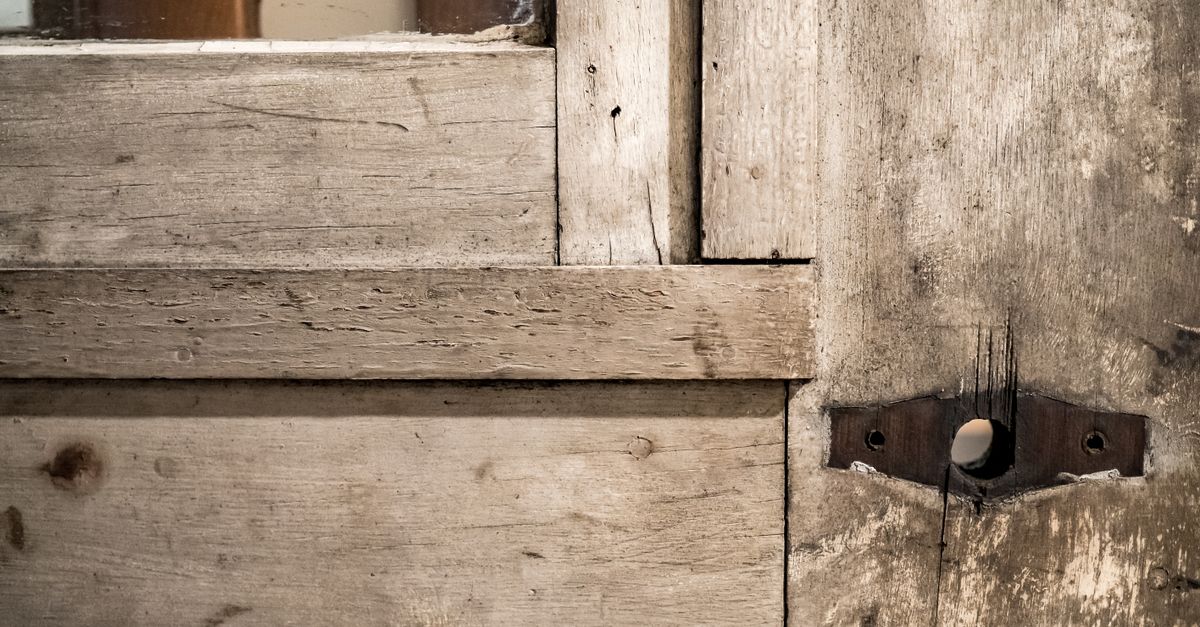
If you've ever squinted at the hardware on your New York City apartment door and wondered why it looks nothing like the simple knob-and-deadbolt setup you had back in Ohio, you're not alone. NYC apartment doors — especially in pre-war buildings along streets like Riverside Drive, West End Avenue, or the older walk-ups scattered through Astoria and Crown Heights — almost universally use a mortise lock, a heavy-duty unit that slides into a pocket (the 'mortise') cut into the door's edge. These locks have been the borough standard for over a century, and for good reason.
But not every door in New York calls for the same hardware. If you're moving into a newer building, upgrading a secondary entrance, or replacing worn-out hardware on a brownstone exterior door, you may be weighing a mortise lock set against a cylindrical (also called a bored) lock. This guide breaks down exactly how each system works, why NYC landlords and co-op boards have favored one so heavily, and how to make the right call for your specific door — with input from 3rd Ave Locksmith Corp, a 24/7 mobile locksmith team serving all five boroughs.
## What Is a Mortise Lock — and Why Does NYC Love It?
A mortise lock is a multi-component lock unit that sits inside a rectangular pocket (the mortise) cut into the body of the door itself. Unlike a cylindrical lock — which requires only a simple round hole bored through the door — a mortise lock set houses the latch bolt, deadbolt, and sometimes a nightlatch all within one steel chassis. The faceplate sits flush with the door edge, and the cylinder (the part your key turns) is threaded into the front of that chassis. Because the lock body is embedded deep inside the door rather than surface-mounted, it's structurally much harder to kick in, pry, or shimmy open. That's a big deal when your door opens directly onto a shared hallway.
New York's pre-war building stock — think 1900s–1940s construction with thick solid-wood doors — was designed from the start to accept mortise hardware. Manufacturers like Corbin Russwin and Baldwin became staples in NYC buildings precisely because their mortise lock sets were engineered for heavy commercial-grade use in high-traffic multi-family environments. When a co-op board or landlord specs a door today, they're often matching existing prep work that's been in the door frame for 80 years. Swapping to a cylindrical lock would mean filling the old mortise pocket, redrilling, and potentially weakening the door stile — so mortise hardware stays, and for good reason.
## Mortise Lock vs. Cylindrical Lock: A Side-by-Side Breakdown
A cylindrical lock — the kind you'll find on most suburban homes and newer apartment units — works by fitting a latch and deadbolt mechanism into two round bored holes through the door face. Installation is faster, parts are widely available, and the hardware is generally less expensive to replace. Brands like Schlage and Kwikset dominate this category. The tradeoff is security depth: because the mechanism sits mostly on the surface of the door rather than inside it, the door stile (the vertical strip of wood surrounding the lock) bears more of the stress during a forced-entry attempt. For a single-family home with a reinforced strike plate and solid core door, a quality cylindrical lock can perform very well. For a shared-hallway NYC apartment door absorbing daily abuse from dozens of tenants and delivery workers, it's typically not the preferred specification.
A mortise lock set, by contrast, distributes stress across a much larger steel body embedded in the door. The mortise lock cylinder itself — the plug you insert your key into — is a separate, replaceable component, which is actually a major practical advantage: if you lose your keys or move into a new apartment, a skilled locksmith can rekey or swap just the cylinder without touching the rest of the lock body. This modularity also means you can upgrade to a smart mortise lock cylinder (some models accept electronic or Bluetooth cylinders) without recutting your door. Retrofitting smart access into an existing mortise chassis is increasingly popular in NYC condos and co-ops where the board wants keyless entry but isn't prepared to replace every door.
## Choosing the Right Lock for Your NYC Door: Practical Scenarios
Pre-war apartment, existing mortise prep: If your door already has a mortise pocket, stick with a mortise lock set. Fighting the prep costs more and delivers less security. A professional locksmith can measure your existing chassis dimensions (backset, case size, hub height) and source a matching replacement — common sizes from manufacturers like Corbin Russwin or Baldwin will fit many standard NYC prep patterns. If the lock is simply worn, consider a mortise lock cylinder replacement before committing to a full chassis swap; it's faster, less invasive, and restores key security immediately. Newer construction or secondary door: A solid cylindrical deadbolt with a reinforced strike plate is a legitimate choice for interior apartment doors, storage unit doors, or new-build units where no mortise pocket exists. Going mortise on a brand-new door is possible but adds installation time and cost — your locksmith will factor in the door material, thickness, and stile width when quoting the job. Exterior brownstone or townhouse door: A mortise lock set exterior door configuration is almost always the right answer here. Exterior doors face weather, heavy use, and a higher security burden. Look for a mortise set rated ANSI Grade 1, with a hardened steel bolt and anti-drill cylinder guard. Baldwin mortise lock hardware is a popular choice for residential townhouses where aesthetics matter alongside security. Smart lock upgrade: If you want app-based or keypad entry, ask your locksmith about smart mortise lock options that replace only the cylinder or add an electronic thumbturn to your existing mortise chassis. These solutions preserve your door prep, satisfy most NYC co-op board requirements, and don't require a new door.
Need help figuring out which configuration is right for your door right now? Call (646) 793-4482 — 3rd Ave Locksmith Corp answers 24/7 and can walk you through your options before you buy a single piece of hardware.
## Emergency Locksmith NYC: What Happens When the Lock Fails
A mortise lock has more moving parts than a cylindrical lock, which means more components that can wear out — a stripped cam, a broken latch spring, a seized mortise lock cylinder. In New York City, where apartment doors get opened and closed dozens of times a day by multiple occupants, this wear accumulates faster than it would in a suburban single-family home. When failure happens, it tends to happen at the worst possible moment: late at night, in the middle of a blizzard, or right before you have to catch the A train. This is where having a 24-hour mobile locksmith matters. 3rd Ave Locksmith Corp operates around the clock across all five boroughs — Manhattan, Brooklyn, Queens, the Bronx, and Staten Island. Our team carries common mortise lock parts, replacement cylinders, and rekeying tools on the van, which means most jobs can be completed in a single visit without waiting on a parts order. Whether you're locked out of a pre-war Upper West Side apartment or dealing with a broken latch on a Flushing co-op door, we'll confirm an exact up-front price before touching anything — no surprises added to your bill at 2 a.m.
On the question many New Yorkers ask — how much does a local locksmith charge? or what is the average call-out fee for a locksmith? — the honest answer is that pricing depends on several factors: the type and brand of lock involved, the complexity of the repair or installation, the time of day, your location relative to our current position, and whether parts need to be sourced on the spot. What we can promise is full price transparency before work begins. We never quote one number and charge another.
## 25+ Locksmith Services from 3rd Ave Locksmith Corp — NYC's 24/7 Mobile Team
When New Yorkers ask how much does an NYC locksmith cost? or how much should an emergency locksmith cost?, they're often also wondering whether the service company can actually handle their specific problem. Here's what our trained, experienced team handles across the five boroughs every single day: 1. Mortise lock installation (new door or replacement chassis) 2. Mortise lock cylinder replacement and rekeying 3. Smart mortise lock conversion and programming 4. Cylindrical deadbolt installation and upgrade 5. Door knob lock repair and replacement 6. High-security cylinder upgrades (pick-resistant, drill-resistant) 7. Apartment lockout response (24-hour, all boroughs) 8. Building entry lockout assistance 9. Broken key extraction from mortise cylinders 10. Master key system design and installation 11. Co-op and condo lock compliance consultations 12. Rim lock and auxiliary lock installation (NYC building code compliant) 13. Commercial locksmith services — storefront, office, warehouse 14. Panic bar and push-bar exit device installation 15. Access control system installation for multi-unit buildings 16. Electronic keypad lock installation and programming 17. Mailbox lock replacement and rekeying 18. Safe opening and combination changes 19. Car lockout service (keys locked inside, all vehicle makes) 20. Auto key duplication and replacement (including transponder keys) 21. Broken car key extraction from ignition 22. Ignition switch repair and replacement 23. Lock re-keying after tenant changeover 24. Gate and padlock installation and repair 25. Security consultation for pre-war and post-war apartment buildings 26. Intercom-to-lock integration support 27. Emergency board-up and door reinforcement referral coordination On the question of does NY require a locksmith license? — New York State does not currently mandate a statewide locksmith license, but operating professionally in NYC means meeting local business requirements. 3rd Ave Locksmith Corp is insured, and our team is thoroughly trained and experienced across all of the lock types and scenarios listed above.
## Why New Yorkers Choose 3rd Ave Locksmith Corp for Mortise Lock Work
New York City's housing stock is unlike anywhere else in the country. A single block in Harlem can have buildings spanning five different architectural eras — each with different door prep, different lock manufacturer specs, and different security expectations from the building's board or management company. Handling mortise lock work here correctly requires genuine familiarity with what's actually inside these doors, not just a general knowledge of how locks work in theory. Our team has worked on pre-war hardware from buildings on Park Avenue, replaced worn cylinders in Bushwick loft conversions, and installed new smart mortise lock sets in gut-renovated brownstones in Bed-Stuy — all in the same week.
We also understand the urgency that comes with city life. When you're locked out on a cold February night on the corner of 3rd Avenue and 86th Street, you need someone who can actually get to you — not a call center dispatching from another city. 3rd Ave Locksmith Corp is a true local team. We're mobile, we're insured, and we're reachable any hour of the day or night. For any mortise lock repair, installation, or emergency lockout situation, call (646) 793-4482. We answer 24/7, and we'll confirm your price before we start the job.
Frequently asked questions
What is a mortise lock, and is it more secure than a regular deadbolt?+
A mortise lock is a lock unit that installs inside a pocket (the 'mortise') cut into the door edge, housing the latch, deadbolt, and sometimes a nightlatch in a single steel chassis. Because the body is embedded deep within the door rather than surface-mounted, it resists kick-in and prying far better than a standard cylindrical deadbolt on most door types. For NYC apartment doors — especially in pre-war buildings with thick solid-wood stiles — a quality mortise lock set offers a meaningfully higher level of security than a bored cylindrical lock.
How much does an emergency locksmith cost near me in NYC?+
The cost of an emergency locksmith visit in New York City depends on several factors: the type of lock involved (a mortise lock cylinder swap versus a simple lockout, for example), the time of day, how far the technician needs to travel, and whether any parts must be sourced on the spot. 3rd Ave Locksmith Corp always confirms an exact price before any work begins — there are no surprise charges added after the job is done. To get a quote for your specific situation, call (646) 793-4482 any time, day or night.
Can I upgrade my NYC apartment's existing mortise lock to a smart lock?+
Yes, in many cases you can. Smart mortise lock cylinders and electronic thumbturn adapters are available for many standard mortise chassis sizes — including those from Corbin Russwin and Baldwin that are common in NYC buildings. The upgrade typically replaces only the cylinder or adds a motorized component to the existing lock body, which means your door prep stays intact and most co-op or condo board requirements are satisfied. A qualified locksmith can measure your existing mortise lock set and advise on compatible smart options before you purchase anything.
My mortise lock cylinder is hard to turn and the key feels stiff — should I replace the whole lock?+
Not necessarily. A stiff or sticky mortise lock cylinder is often a worn or dirty cylinder plug, a misaligned door causing the bolt to bind, or a key cut that's slightly off from wear. In many cases, a locksmith can rekey or replace just the cylinder — a far less invasive and less costly fix than swapping the entire mortise lock chassis. If the lock body itself is cracked, the latch spring is broken, or the case is visibly damaged, a full replacement may be warranted. A professional inspection will tell you exactly what's needed, and 3rd Ave Locksmith Corp will give you that assessment with an up-front price — call (646) 793-4482 anytime.